Shop Authentic Retro Fashion
Comprehensive Guide to Finding High-End Vintage Apparel: Top Shops and Web Platforms
Seeking the best vintage clothing calls for a planned method. Independent shops often showcase carefully chosen collections from different time periods, extending a unique shopping experience. Meanwhile, digital marketplaces provide access to a vast array of antique pieces. Each avenue has its advantages and challenges. Understanding these choices can refine the search for unique items. What factors should one consider when browsing these diverse sources?
Comprehend Classic Sizes and Labels
How can one navigate the often perplexing world of vintage sizes and labels? Learning about vintage sizes is crucial for anyone drawn to vintage clothing. Unlike modern sizing, which has become standardized, vintage sizes can fluctuate widely based on the decade, brand, and even the country of origin. For instance, a size 8 from the 1970s may differ greatly from a contemporary size 8.
Labels constitute an key part; they normally indicate the decade and can disclose details regarding construction techniques and fabric choices. Familiarity with recognized brands helps validate authenticity and quality, as various brands are renowned for their craftsmanship.
Accurately measuring garments is important, as depending only on the size tag can result in disappointment. Buyers should be advised to compare their own clothing against the dimensions. By grasping these subtleties, vintage enthusiasts can make informed choices, improving their shopping experience.
Judge Vintage Clothing Quality
Determining the quality of vintage clothing is necessary for making educated purchases. Critical factors to think about include examining fabric composition, checking for any damage, and evaluating the quality of stitching. Each of these elements plays an essential role in determining the lifespan and value of vintage garments.
Review Fabric Composition
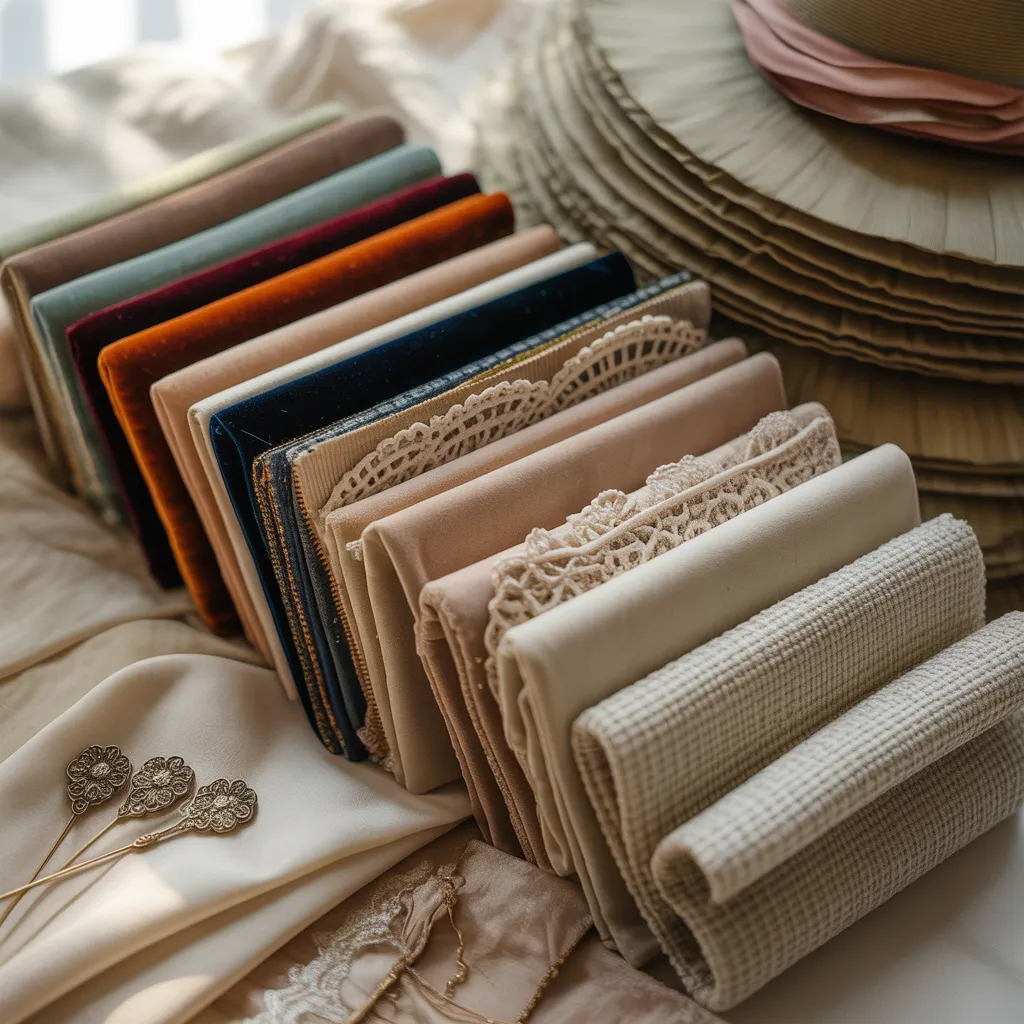
Studying the cloth composition of vintage garments is important for determining their quality and longevity. Fabrics like cotton, wool, silk, and linen typically represent higher durability and comfort when contrasted with synthetic materials. Vintage garments made from these materials typically age better, maintaining their structure and appearance over time. Furthermore, being aware of the fabric mixture helps reveal the garment's usage and care instructions. For instance, a cotton-linen blend may offer breathability, while a wool-acrylic mix could enhance warmth. While assessing a garment, it is vital to verify labels or tags that disclose fabric specifics. Understanding this empowers shoppers to decide smartly, ensuring their vintage acquisitions are both stylish and enduring investments.
Examine for damage
Checking classic clothes for damage plays an essential role in evaluating their overall quality. Buyers must carefully inspect garments for any evidence of aging, such as holes, stains, or fading. Careful attention is needed for areas prone to flaws, including seams, hems, and underarms, where fabric may become fragile. Furthermore, looking for missing buttons or zippers can reveal important clues about a garment's condition. Evaluating the lining along with embellishments matters because they impact both the garment's function and look. By identifying potential issues early, buyers can make informed decisions, ensuring that their vintage finds not only meet aesthetic standards but are also durable enough for continued wear.
Examine Seam Quality
Though it might be easy to overlook, the quality of stitching in vintage clothing holds an essential role in determining the garment's durability and overall attractiveness. A careful look at the stitching can uncover the craftsmanship behind the piece. Well-executed seams, tight and even stitches, indicate strength and attention to detail. On the other hand, loose threads or uneven stitching may indicate wear or poor construction, which could compromise the garment's integrity. Checking areas prone to stress, like armholes and hems, is especially important. Furthermore, vintage items often showcase unique stitching techniques that reflect their era, adding character. In the end, evaluating stitching quality not only informs buyers about the condition of a garment but also boosts their appreciation for vintage fashion’s artistry.
Locate Antique Fashion at Local Shops
How can one locate unique vintage clothing treasures? Local boutiques often function as concealed treasures for vintage enthusiasts. These establishments curate distinctive selections, deliberately choosing items that reflect different time periods and fashion expressions. Navigating the aisles, customers can uncover everything from timeless 1950s ensembles to 1980s statement jackets, each article sharing its own story.
Numerous independent shops prioritize ecological awareness, sourcing their inventory from liquidation events, secondhand retailers, and charitable sources. This not only supports sustainable fashion but also guarantees that each outfit piece is original. Additionally, store operators are typically committed to style evolution and can share pertinent expertise, enhancing the buying process.
Supporting local businesses also fosters community relationships, allowing customers to interact with shop owners and fellow vintage lovers. This personal touch often transforms the shopping experience into an adventure, making each visit to a local boutique a delightful exploration of fashion's past.
Top Internet Vintage Stores
In the domain of online shopping, antique lovers have the ability to discover now browse a extensive range of options. Best online marketplaces and curated vintage boutiques present one-of-a-kind picks that cater to diverse tastes and styles. This section will explore some of the standout platforms for finding retro valuables.
Top Internet Marketplaces
The appeal of vintage clothing has resulted in a increase in online marketplaces focused on unique, timeless pieces. Platforms like Etsy and eBay remain favored options, offering a vast array of vintage items from various eras. Depop, with its user-friendly interface and social media integration, serves a younger demographic seeking curated styles. copyright allows users to sell their vintage finds while connecting with fashion enthusiasts. Additionally, ThredUp specializes in secondhand clothing, including vintage selections, promoting sustainability. These marketplaces not only offer access to distinctive fashion but also build a community of like-minded individuals devoted to vintage treasures. By exploring these platforms, shoppers can find rare pieces that reflect their personal style and history.
Quality Antique Boutiques
For those who appreciate the charm of curated vintage boutiques, the online landscape offers a treasure trove of distinctive items. These niche retailers emphasize handpicked items, ensuring excellence and genuineness. Websites such as Vintage Vixen and ModCloth cater to a variety of styles, from 1920s flapper dresses to 1980s pop culture pieces. Each boutique often showcases a unique style, making it simple for shoppers to discover pieces that resonate with their individual taste. Additionally, platforms like Etsy and Depop feature individual sellers who curate their collections, increasing the diversity of choices. By purchasing from these curated boutiques, vintage enthusiasts can discover statement pieces that tell a story and enhance their closet.
Essential Advice for Vintage Shopping
Becoming skilled in the art of vintage shopping can transform a casual outing into a hunt for valuable finds. To enhance the experience, buyers should first define their style preferences, concentrating on specific eras or types of clothing that resonate with them. Exploring nearby stores and digital platforms helps discover the best resources and undiscovered treasures.
When browsing, it is essential to examine items thoroughly for condition and genuineness. Shoppers should focus on fabric composition, stitching, and tags, as these can offer clues into the item's history. Negotiation can also be a important part of the process; many vintage sellers are open to offers.
Timing represents a notable influence as well. Patronizing shops during restocking days or discount events can expose fresh selections. Finally, fostering an receptive mindset grants for unexpected surprises, rendering each shopping trip into an adventure overflowing with special fashion potential.
Discover Advantages of Eco-Friendly Vintage Fashion
While many buyers seek distinctive fashion, the advantages of eco-friendly vintage apparel go well past aesthetic appeal. This method of dressing supports green awareness by cutting down on refuse and minimizing the carbon emissions linked to new garment production. Vintage pieces often represent high-quality craftsmanship, providing strength and endurance, which contrasts sharply with the fast fashion industry’s stress on short-lived garments.
Additionally, purchasing secondhand contributes to a sustainable economic cycle, protecting materials and lowering the demand for new materials. Consumers who choose vintage clothing also patronize local businesses and thrift stores, building community engagement and economic stability. Ultimately, vintage fashion encourages individuality, allowing wearers to express personal taste without adhering to mainstream trends. By embracing sustainable vintage fashion, shoppers not only enhance their wardrobes but also participate in a movement that values ethics and creativity over mere consumption.
Common Inquiries Asked Often
What's the Right Approach to Identify Real Antique Clothing Rather than Replicas?
To recognize genuine vintage garments, one should inspect markings, stitching, and material quality. Original pieces often show signs of age, such as bleaching or damage, while replicas typically are missing these notable qualities and attributes.
What Are the Top Cities for Classic Garment Shopping?
Cities like New York, Los Angeles, and London gain recognition for vintage clothing shopping. Each has special boutiques, thrift stores, and markets, captivating aficionados in pursuit of genuine garments and varied styles from past eras.
What Methods Should I Use to Care for Vintage Clothing?
To properly care for antique clothing, one should gently hand wash or dry clean them, place them in a cool, dry environment, avoid direct sunlight, and use acid-free material for protection. Frequent inspections are essential.
What ought to I search for in Vintage Accessories?
When choosing classic pieces, one should emphasize condition, genuineness, and workmanship. Additionally, considering distinctive stylistic features and materials can improve the visual appeal, guaranteeing the items complement modern clothing while reflecting personal style.
Which particular timeless movements warrant your focus this year?
This year, particular vintage trends to keep an eye on feature 90s grunge styles, oversized silhouettes, and bold prints. Additionally, ethical fashion movements are stimulating interest in reworked vintage items, expressing a growing appreciation for unique, eco-friendly apparel.